
How to relax: Practical techniques that work
Reviewed by Robert Bogenberger, PhD

Written by
therapist.com teamLast updated: 09/25/2026
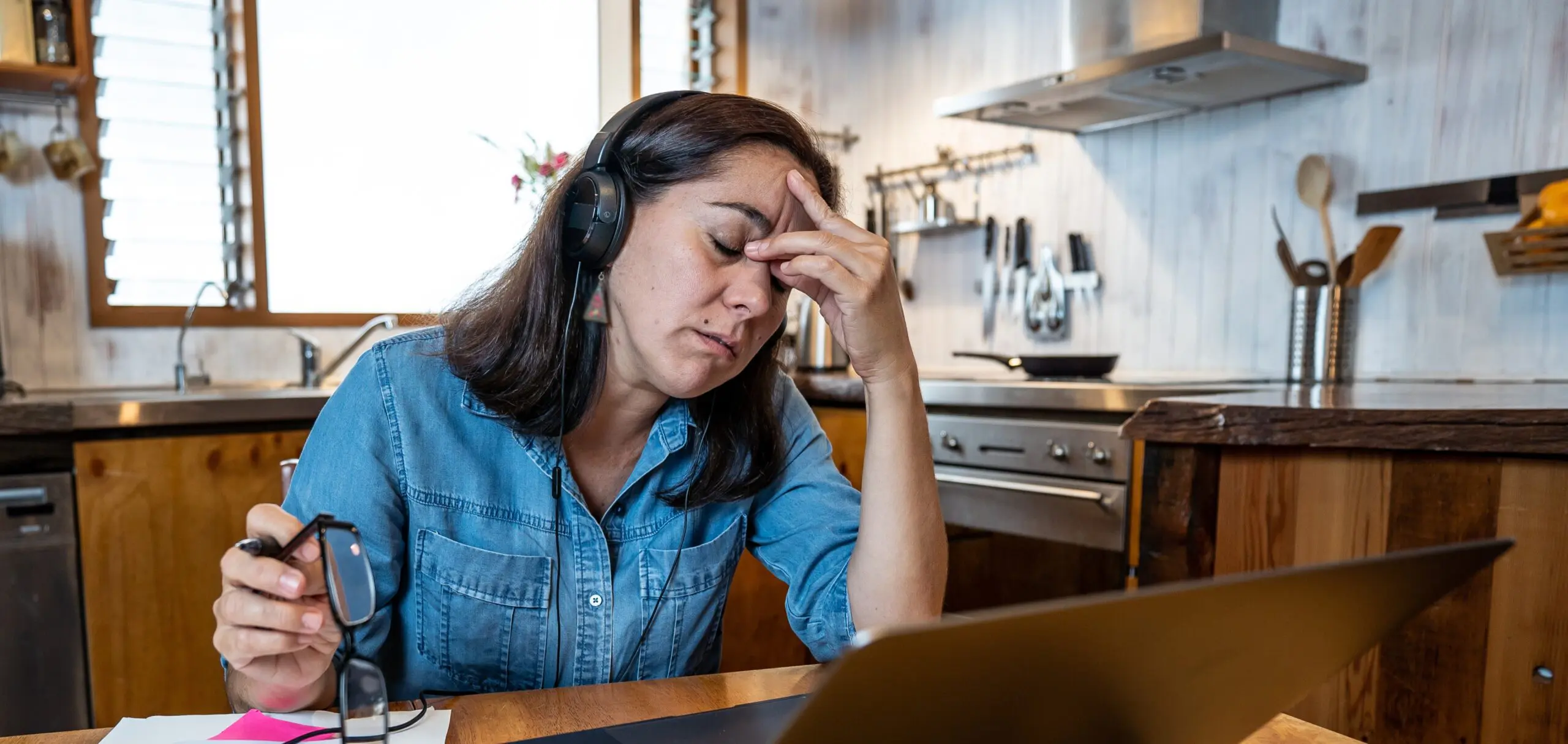
Relaxation isn’t a luxury; it’s a physiological need. Your body and mind require regular downtime to function properly.


When you experience excessive amounts of stress without adequate relief, it can lead to serious health problems. Research shows that chronic stress contributes to cardiovascular disease, immune system problems, sleep quality, anxiety, and depression.1
Why am I struggling to relax?
Figuring out why you can’t relax starts with understanding stress itself. When you feel threatened or overwhelmed, your body experiences a stress response. Cortisol, a key stress hormone, is released and your sympathetic nervous system, which is responsible for your “fight or flight” response, is activated.
Many common factors can keep this stress response activated, including:
- Excessive screen time, especially before bed or first thing in the morning
- Constant overstimulation from notifications, news, and social media
- Unresolved stress from work deadlines, financial worries, or relationship conflicts
- Poor sleep habits that prevent your body from fully recovering
- Hormone imbalances that affect mood and stress regulation
If you’re consistently struggling to relax, consider seeking help from a qualified mental health professional. They can help you identify underlying issues and develop personalized strategies for coping.
What’s the quickest way to relax?
When you need immediate relief from stress or anxiety, two approaches stand out for their speed and effectiveness: breathing techniques and grounding techniques.
Breathing techniques
One of the fastest ways to calm your body is through controlled breathing. A simple example is the 4-7-8 technique:
- Breathe in through your nose for 4 counts
- Hold your breath for 7 counts
- Exhale slowly through your mouth for 8 counts
- Repeat 3-4 times
Slow, deep breathing directly influences your autonomic nervous system, shifting you away from an activated state.
Research confirms the effects are real: In one study, daily 5-minute breathwork sessions improved mood and reduced anxiety more effectively than mindfulness meditation.2 The best part is that you can practice breathing techniques anywhere, anytime.
Grounding techniques
Grounding exercises help you reconnect with the present moment and interrupt anxious thought patterns. The 5-4-3-2-1 method is particularly effective. When you start to feel heightened, focus on:
- Noticing 5 things you can see
- Identifying 4 things you can touch
- Recognizing 3 things you can hear
- Noticing 2 things you can smell
- Identifying 1 thing you can taste
This technique works by engaging your senses and redirecting your attention away from stressful thoughts and toward the present moment. Research suggests grounding may offer an embodied route to emotional regulation, helping you feel more stable and present.3
Breathing and grounding are some of the most frequently used and helpful practices for relieving stress and anxiety, with minimal barriers to getting started. This makes them ideal if you’re specifically wondering, “How can I reduce my anxiety quickly?”
How to relax your body from physical tension
Physical tension often accompanies mental stress or anxiety. Your shoulders might feel tight, your jaw may be clenched, or your back may be sore. Addressing the physical symptoms that accompany mental stress is essential for complete relaxation.
Progressive muscle relaxation (PMR)
Progressive muscle relaxation involves systematically tensing and then releasing different muscle groups throughout your body. Here’s a simple walkthrough:
- Starting with your feet, tense your muscles for five seconds, then release
- Move up step by step, tensing and releasing your calves, thighs, abdomen, and so on
- If there’s an area of your body you have difficult feelings about, it’s okay to skip that section
- Work your way up through your body to your face
- Focus on the sensation of release after each tension
PMR works in part by helping you recognize the difference between tension and relaxation in your body. This awareness makes it easier to release tension when you notice it building.
The research is impressive: PMR produces large effect sizes for tension reduction after just one training session.4 App-based PMR shows some of the largest immediate anxiety-reducing effects among all app-based relaxation techniques.5
Gentle movement, exercise, and visualization
Gentle physical activity can be incredibly calming. It’s important to build opportunities for movement into your day, especially if you spend a large portion of the day at a desk. Consider:
- Yoga: Combines movement, breathing, and mindfulness
- Walking: Especially in nature or quiet neighborhoods
- Light stretching: Release tension without intense effort
If physical movement is difficult or painful for you, there are other ways to relax your body and mind. Guided meditations and visualizations can be helpful. One study on Yoga Nidra—a form of guided relaxation—found that just 11 minutes of practice helped reduce stress, improve sleep quality, and enhance overall well-being.6
Regardless of your physical capacity, don’t feel pressured to do intense workouts. Even moderate-intensity exercise has been shown to improve sleep quality, with benefits lasting up to seven months.7
How to relax your mind from stress and anxiety
Mental relaxation sometimes requires different tools than physical relaxation. These techniques specifically target the thoughts and mental patterns that fuel stress and anxiety.
Mindfulness and meditation
Mindfulness means paying attention to, and being fully present in, the moment without judgment. You don’t need to clear your mind completely or control your thoughts perfectly. It just asks you to notice your thoughts and feelings without getting caught up in them.
Start small with a simple practice:
- Focus on your breath for 1-2 minutes
- Notice sensations in your body during that time without trying to change them
- Observe thoughts as they come and go, like clouds passing in the sky
The evidence for mindfulness is strong. In one study of clients with chronic pain, Mindfulness-Based Stress Reduction (MBSR) was shown to produce clinically meaningful improvements in both stress and functional limitations.8 It worked as well as cognitive behavioral therapy (CBT) for many people.
You don’t need to pressure yourself into intense, hour-long meditation sessions. Even brief, app-based meditation sessions of just 10 minutes per day can be effective. One study showed that it reduced participants’ stress within two weeks, with effects lasting through eight weeks.9
Cognitive reframing
Cognitive reframing (or “cognitive restructuring”) involves challenging anxious or negative thoughts and replacing them with more balanced perspectives. For example:
- Anxious thought: “I’m going to fail at giving this presentation and everyone will think I’m incompetent.”
- Reframed thought: “I’ve prepared well. Even if it’s not perfect, one presentation doesn’t define what people think of me.”
Cognitive reframing is often used in cognitive behavioral therapy (CBT). CBT is considered to be an effective, gold-standard treatment for anxiety and stress-related disorders.10
While learning how to relax your mind from stress and anxiety often involves cognitive techniques, no single approach is a perfect solution that works for everyone. In one study, mindfulness exercises actually outperformed cognitive reframing for immediate anxiety relief in head-to-head trials.11 Both have value, but mindfulness may work faster in the moment.
Multiple relaxation techniques can work equally well for reducing stress and anxiety.12 The key isn’t finding the “perfect” method but instead building a toolkit of techniques that work well for you, that you feel empowered to use when things feel overwhelming.
Additional lifestyle changes that support relaxation
Certain daily habits either support or undermine your ability to relax at home. Consider these adjustments:
Limit caffeine: While morning coffee is fine for most people, timing and quantity matter. Higher levels of caffeine consumption may increase stress, though the dose makes the difference.13 Try cutting off caffeine by early afternoon and keeping total intake low.
Limit screen time: Endless scrolling through negative news—often called “doomscrolling“—has been associated with significant increases in stress and emotional distress.14 Set boundaries around news consumption and social media use, especially before bed.
Improve sleep hygiene: Sleep is an essential piece of mental health. If a person has insomnia, there’s a much higher likelihood they’ll also have significant levels of depression and anxiety.15 Make sure you create a healthy sleep environment, stick to a nighttime routine that helps you wind down, and seek professional help if sleep issues don’t resolve over time.
What to do if you can’t relax
Sometimes relaxation techniques aren’t enough on their own. Difficulty relaxing can be a sign of something deeper that needs attention:
- Anxiety disorders that require professional treatment
- Depression, which often includes restlessness or agitation
- Burnout from prolonged stress without recovery
- Physical conditions like thyroid problems or chronic pain
If you’ve tried multiple relaxation strategies without improvement, a therapist can help. They can help you identify underlying issues and develop a comprehensive treatment plan tailored to your needs.
Visit our therapist directory to find a qualified professional who can support your journey toward mental health.

Sources
1 https://journals.sagepub.com/doi/10.1177/18344909241289222
2 https://www.cell.com/cell-reports-medicine/fulltext/S2666-3791(22)00474-8
3 https://www.mdpi.com/2227-9032/13/16/2049
4 https://www.sciencedirect.com/science/article/pii/S0001691826009716/
5 https://onlinelibrary.wiley.com/doi/10.1155/da/5586831
6 https://link.springer.com/article/10.1007/s12144-020-01042-2
7 https://www.sleephealthjournal.org/article/S2352-7218(20)30115-7/abstract
8 https://jamanetwork.com/journals/jama/fullarticle/2504811
9 https://academic.oup.com/abm/article/59/1/kaaf025/8116836
10 https://pmc.ncbi.nlm.nih.gov/articles/PMC8475916/
11 https://onlinelibrary.wiley.com/doi/10.1155/da/5586831
12 https://www.mdpi.com/2077-0383/11/19/5680
13 https://pmc.ncbi.nlm.nih.gov/articles/PMC11785678/
14 https://www.sciencedirect.com/science/article/pii/S2589979126000351
15 https://pubmed.ncbi.nlm.nih.gov/16335332/
About the author
The editorial team at therapist.com works with the world’s leading clinical experts to bring you accessible, insightful information about mental health topics and trends.
