
Separation anxiety and separation anxiety disorder
Reviewed by Brooks Baer, LCPC, CMHP

Written by
therapist.com teamLast updated: 03/16/2026
What is separation anxiety?
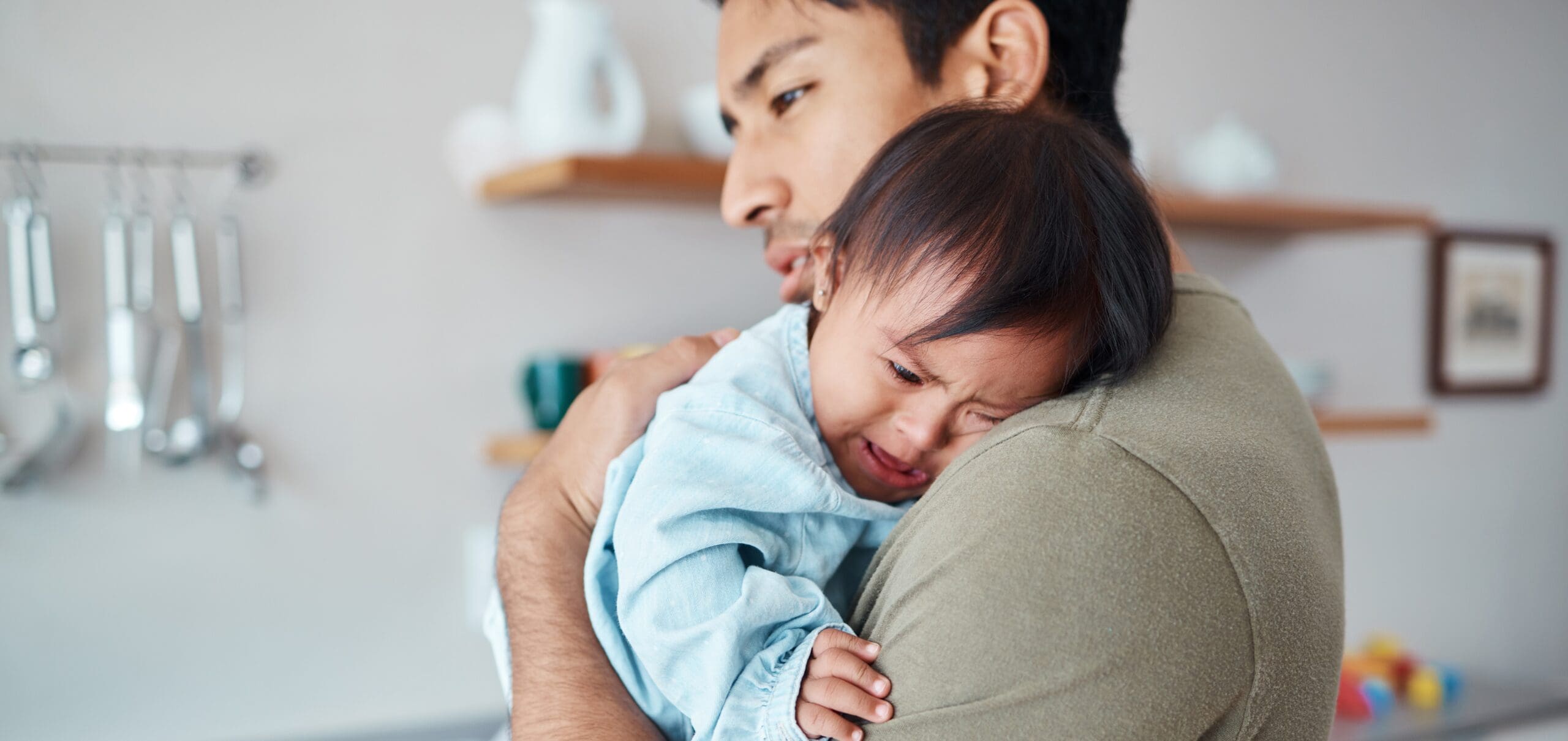
Separation anxiety is a natural psychological response that causes a person—often a child—to feel distressed when close attachment figures, such as parents or caregivers, are not nearby.


While it’s most common in young children, separation anxiety can continue or develop later in life, affecting adolescents and adults as well.
Is separation anxiety normal?
In children, separation anxiety is a normal part of development. It typically appears between 6 and 12 months of age and lasts until around the age of three, then gradually decreases as the child grows older.1
While normal in certain amounts, separation anxiety becomes a problem when it lasts longer than expected, makes daily life very difficult, or causes a lot of distress.
Separation anxiety disorder (SAD) is a condition that occurs when a person worries excessively about being separated from loved ones—especially more than is normal for their age. It differs from normal separation anxiety in how strong the anxiety is, how long it lasts, and how much it affects daily life. SAD can present in children or adults and can be evaluated and diagnosed by a licensed mental health professional.
Separation anxiety symptoms
According to the Diagnostic and Statistical Manual of Mental Disorders (DSM-5), key separation anxiety symptoms include:2
- Excessive distress when anticipating or experiencing separation from home or caregivers
- Continued and excessive worry about losing major attachment figures or that they’ll be harmed (by illness, injury, disasters, etc.)
- Excessive worry about events causing separation (such as getting lost, being kidnapped, getting into an accident, or falling ill)
- Reluctance or refusal to go out, away from home, or to school or work due to fear of separation
- Excessive fear of being alone or without major attachment figures in any setting
- Difficulty sleeping away from home or without being near an attachment figure
- Repeated nightmares that involve separation
- Physical complaints (headaches, stomach aches, nausea, vomiting) when separation either happens or is anticipated
Children’s separation anxiety can look different from that of adults. Children are more likely to cling to their caregivers, follow them closely as they move from room to room, and be unable to enter or remain in rooms alone. Importantly, some amount of this anxiety is normal and doesn’t necessarily indicate a disorder.
In adults, symptoms can include control behaviors when separated from loved ones (such as frequent texts or calls) and emotional symptoms including anxiety or panic attacks.3
When separation anxiety becomes a disorder
Separation anxiety may reach disordered levels when it lasts too long for someone’s age or causes severe distress.
Signs that separation anxiety could meet the criteria for diagnosis include:
- Symptoms lasting beyond expected developmental periods
- Significant interference with daily activities
- Extreme emotional distress
- Inability to function when separated from loved ones
For SAD to be diagnosed in children and adolescents, symptoms must have lasted for at least four weeks.4 In adults, it must have lasted much longer—typically six months or more. It must also be causing significant distress or impairment in social, academic, or other important areas and not be better explained by another disorder.
If you’re concerned about separation anxiety in a loved one or yourself, consider speaking to a mental health professional. Only a licensed professional can assess symptoms and give you a diagnosis. They can also create personalized treatment plans to support you in managing and overcoming the specific concerns impacting your life.
Causes and risk factors for separation anxiety
While normal separation anxiety is just part of being human, multiple factors can play a role in it developing into a disorder.
Biological and genetic factors
Genetics likely play a role in separation anxiety disorder. Twin studies show stronger inheritance patterns for identical twins than fraternal twins in the development of major anxiety disorders.5 This suggests there are genetic components to pathological anxiety development.
Research also shows that separation anxiety is linked to functional and structural differences in the brain. Increased reactivity of the amygdala and larger grey matter volumes are associated with higher separation anxiety scores.6 The amygdala is the part of your brain that processes emotions, especially fear.
Family and environmental influences
How parents respond to a child’s anxiety matters. When parents are overly protective, critical, or accommodating of a child’s anxious behaviors, it can contribute to anxiety through modeling and reinforcement.7
Additionally, children of parents with depression and anxiety disorders are at higher risk of also developing a disorder.8 This may be influenced by a combination of genetic factors and learned behaviors.
Traumatic events and life stressors
Life experiences can trigger or worsen separation anxiety. Risk factors include trauma or loss of loved ones, parental conflict/divorce, and environmental changes such as moving to a new school.9
Other important risk factors include female gender, childhood hardships, and lifetime traumatic events.10 These experiences and identities can make people more likely to develop separation anxiety.
Related conditions and behaviors
Separation anxiety is linked to other mental health problems, making it more likely that a person will experience them either at the same time or later in life. For instance, childhood separation anxiety significantly increases the risk a person will develop a panic disorder or other anxiety disorder in adulthood.11
Research also shows links between depression and separation anxiety. In a study involving adult patients with major depressive disorder (MDD), 41% also experienced separation anxiety, with three-quarters having developed it in adulthood.12
In addition to clinical conditions, separation anxiety plays a role in unhealthy relationship patterns, including “love addiction” behaviors in young adults.13 Love addiction isn’t an official diagnosis, but an unhealthy pattern in which someone constantly looks for romantic relationships to avoid being alone. This often creates dependent relationships where it’s hard to set healthy limits with partners.
Impact of separation anxiety
On relationships
Separation anxiety disorder symptoms can strain relationships significantly. Adults with separation anxiety may use excessive calling, texting, and communication when separated, creating demands that frustrate family members and lead to resentment and conflict.14
Caregivers sometimes feel suffocated by extreme demands for attention and decreased privacy. This can create a difficult cycle where the person with separation anxiety needs reassurance even as their behavior pushes others away.
On well-being and functioning
When it reaches disordered levels, separation anxiety can lead to poorer mental and physical health outcomes, including sleep disturbances, poor academic performance, and physical complaints.15
Untreated anxiety disorders significantly impair quality of life and increase risk of other mental health conditions. This is one reason why early intervention matters so much.
Separation anxiety treatment options
A certain amount of separation anxiety is a normal part of development. If a child is only somewhat distressed or hesitant to leave their caregivers, they’ll likely move beyond it with normal support and encouragement over time.
For more challenging situations, there are evidence-based treatments that can help people manage and overcome separation anxiety.
Therapy for separation anxiety
Cognitive behavioral therapy (CBT) for separation anxiety is the most recommended and effective treatment.16 CBT techniques used in treatment will likely include education about anxiety, changing of unhelpful thought patterns, and gradual exposure.
In some cases, a licensed professional may recommend combining CBT and medication. While SSRIs are sometimes used “off label” for this purpose, there are currently no medications specifically approved to treat SAD. Your health care provider can help determine if medication might be helpful alongside therapy.
Another type of therapy, called attachment-focused psychodynamic psychotherapy, may also help improve anxiety and overall functioning, according to one small pilot study.17 This approach focuses on understanding and healing attachment patterns that contribute to anxiety.
Tips for parents
Parents play a crucial role in helping children overcome separation anxiety. Parents can benefit from learning techniques that reduce anxiety in their children and encourage coping over avoidance.18 Some parents may also benefit from treatment for their own anxiety or mental health issues, as they can contribute to their child’s.
Coping techniques might include:
- Practicing short separations and gradually increasing them
- Maintaining consistent routines
- Staying calm during separations
- Providing reassurance without overprotecting
- Seeking support for your own mental health
Separation anxiety is treatable. Whether you’re dealing with separation anxiety in your child or experiencing it yourself, help is available. Browse our directory to find qualified therapists online or in your area who specialize in assessing and treating anxiety disorders.

Sources
1 https://pubmed.ncbi.nlm.nih.gov/32809628/
2 https://www.ncbi.nlm.nih.gov/books/NBK519712/table/ch3.t11/
3 https://www.sciencedirect.com/science/article/pii/S0010440X20300614?via%3Dihub
4 https://www.ncbi.nlm.nih.gov/books/NBK519712/table/ch3.t11/
5 https://www.ncbi.nlm.nih.gov/books/NBK560793/
6 https://academic.oup.com/scan/article/10/2/278/1656540
7 https://pmc.ncbi.nlm.nih.gov/articles/PMC5007197/
8 https://pubmed.ncbi.nlm.nih.gov/27898206/
9 https://jamanetwork.com/journals/jama/fullarticle/2785946
10 https://hcp.hms.harvard.edu/publication/pediatric-onset-and-adult-onset-separation-anxiety-disorder-across-countries-world
11 https://www.ncbi.nlm.nih.gov/books/NBK560793/
12 https://www.sciencedirect.com/science/article/pii/S0010440X20300614?via%3Dihub
13 https://pubmed.ncbi.nlm.nih.gov/39767363/
14 https://www.ncbi.nlm.nih.gov/books/NBK560793/
15 https://www.ncbi.nlm.nih.gov/books/NBK560793/
16 https://www.ncbi.nlm.nih.gov/books/NBK560793/
17 https://www.sciencedirect.com/science/article/abs/pii/S0010440X15300535?via%3Dihub
18 https://www.ncbi.nlm.nih.gov/books/NBK560793/
About the author
The editorial team at therapist.com works with the world’s leading clinical experts to bring you accessible, insightful information about mental health topics and trends.
